
Meet Your Emotional Alarm System

If you’ve ever had a moment where you thought, “Why am I reacting like this?”—this information is for you!
I know it works because I use it! Hi, I’m Terri and I’m glad you’re here!

A lot of people assume big emotions mean they’re “too sensitive” or “too dramatic.” In reality, many of us are walking around with an emotional alarm system that’s doing exactly what it was designed to do: detect threat and protect you. The issue isn’t that your emotions are wrong. It’s that your alarm system may be more easily triggered, more intense once it’s activated, and slower to settle, especially if you grew up in an environment that didn’t understand how your nervous system works.
The Big Idea
In this video, you’ll learn a simple framework that helps explain emotional overwhelm without shame:
1) Low Threshold: Your alarm goes off quickly—sometimes from things other people brush off.
2) High Intensity: Once it’s on, it ramps up fast. Your body and mind shift into full “something’s wrong” mode.
3) Slow Return: Even after the moment passes, it can take a while to feel steady again.
That cycle can be exhausting. And it often gets worse when the world responds with messages like:
“You’re overreacting.”
“Calm down.”
“It’s not a big deal.”
Those responses don’t calm the nervous system. They usually make it feel more alone, more unsafe, and more stuck.
What This Information Will Help You Do
By the end of this program, you’ll be able to:
Recognize when your alarm system has been triggered (before you spiral)
Understand why your reaction makes sense (even if you don’t like it)
Start replacing self-criticism with self-validation
Practice a short, repeatable script that helps you calm and recover faster
Your First Tool: The Self-Validation Script
As you watch the video, listen for these four steps. This is the foundation skill for the rest of the program:
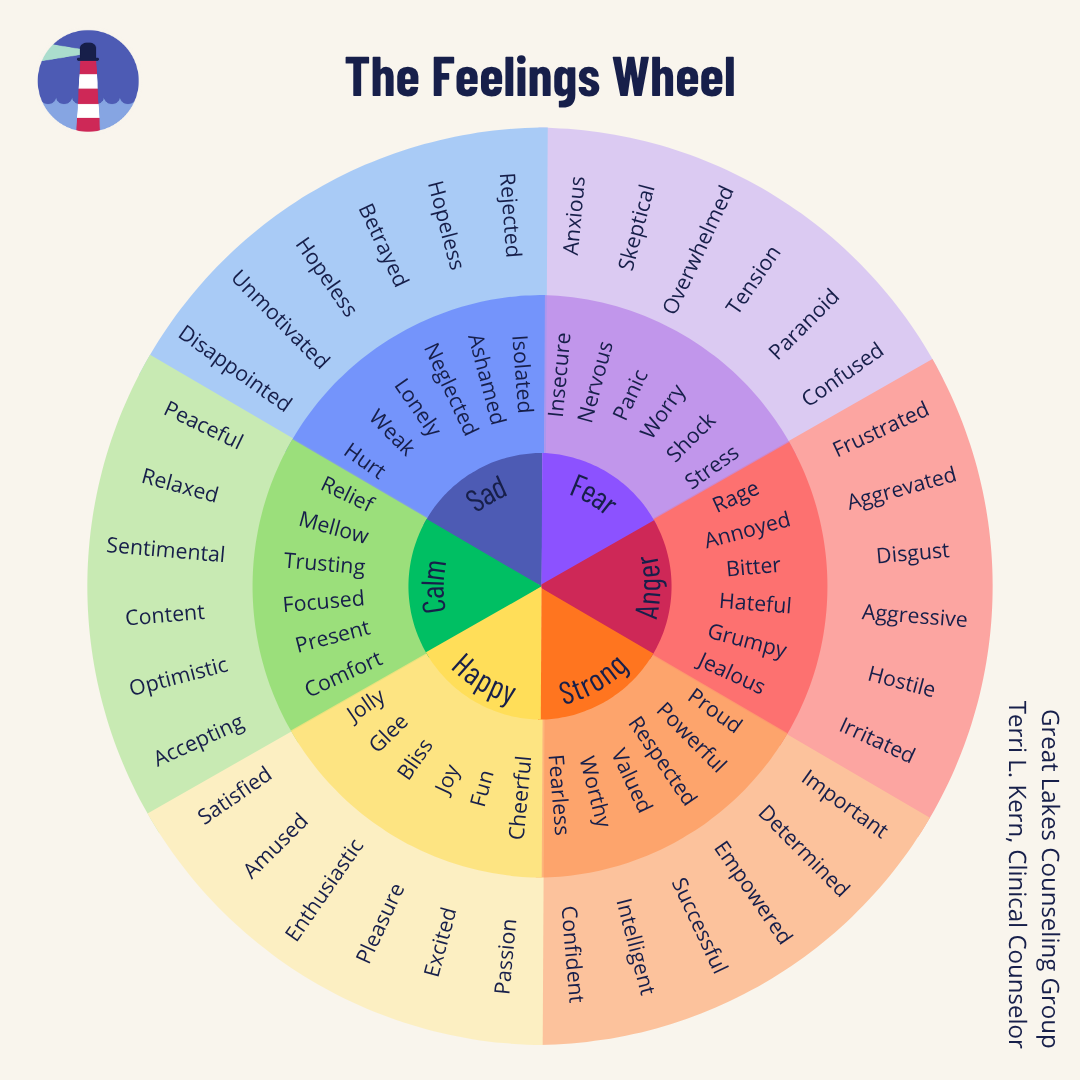
Name the emotion (What am I feeling?)
Name the source (“My alarm system is activated.”)
Find the logic (Why would this feel threatening right now?)
Normalize it (Given my wiring + my history, this response tracks.)
You’re not trying to “talk yourself out” of emotions. You’re showing your nervous system that someone is paying attention—and that’s where change starts.
Use The Feelings Wheel!
Quick Reflection (30 seconds)
Before you hit play, answer this in your head (or jot it down):
When I get emotionally activated, which part is hardest for me: triggered easily, intensity, or calming down afterward?
That answer will help you know what to focus on most as you go through the program.